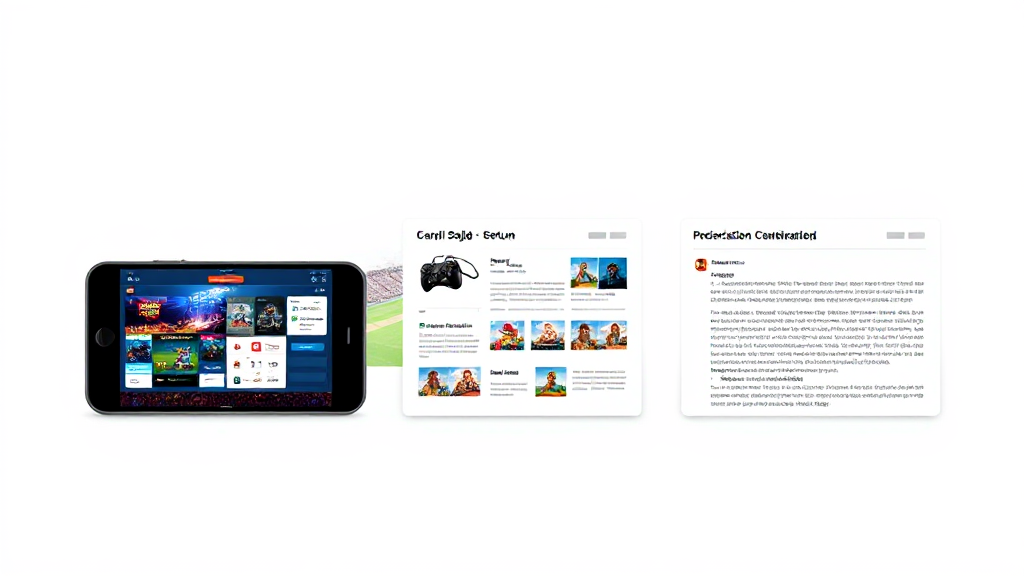
Directory, Blog, Forum: Three Ways Win Rummy Online Gets Described
The phrase Win Rummy Online is simple enough on its face, yet the moment you start looking for explanations of it, you notice something odd: the same three words get packaged into wildly different containers. A directory entry presents it one way. A blog post presents it another. A forum thread presents it a third. None of these formats is inherently wrong, but each one carries a different kind of reliability, a different set of assumptions, and a different idea of what a reader actually needs. This comparison looks at all three side by side, not to crown a winner, but to understand what each format does well and where each one asks you to bring your own judgment.
Format One: The Directory Entry as a Structured Snapshot
A directory entry is the most constrained of the three formats, and that constraint is precisely its value. When a catalog site lists a game under a heading like Win Rummy Online, it typically gives you a compact set of fields: package name, version number, file size, source notes, and perhaps an age gate. There is little room for storytelling, and that is the point. The directory does not try to convince you of anything. It tries to tell you what the thing is, in the smallest number of words possible.
This format excels at comparability. If you are looking at two entries side by side, the directory forces both into the same shape, so you can see at a glance which one is larger, which one has a newer version, and which one carries a source note you might want to read more carefully. For Indian Android users who are used to sideloading and who care about package details before committing storage space, this is a genuinely useful arrangement. The directory respects your time by refusing to editorialize.
The trade-off is that a directory entry can feel cold and incomplete. It will tell you that a listing exists, but it will not tell you whether the game is fun, whether the community around it is active, or whether the version you are looking at has known issues. A directory is a snapshot, not a conversation. It assumes you already know what you are looking for and simply need the facts confirmed. If you are still forming an opinion, the directory will not form it for you.
There is also the question of freshness. Directory entries are updated when someone updates them, and the cadence varies. A version number that looks current may be a few weeks behind, and a source note may reflect an earlier state of affairs. This is not a flaw unique to directories, but it is more visible here because the format promises precision. When a directory is accurate, it is the most efficient of the three formats. When it lags, it lags quietly.
Format Two: The Blog Mention as Context and Interpretation
A blog post occupies the middle ground. It has more room than a directory entry but less freedom than a forum thread, and it usually arrives with an explicit point of view. When a blog mentions Win Rummy Online, it tends to do so inside a larger argument: a roundup of card games, a discussion of sideloading habits, a comparison of app catalogs. The phrase is rarely the subject on its own; it is a supporting example, and the surrounding text tells you how the writer wants you to read it.
This is where blogs shine. They can explain why a listing matters, what to check before downloading, and how one entry relates to another. A good blog mention will connect the dots that a directory leaves scattered. It can note that a particular version is larger than expected, or that a source note deserves a second look, or that the catalog itself has an 18+ notice worth understanding. The blog format is built for interpretation, and interpretation is exactly what a bare directory entry cannot provide.
The weakness of the blog mention is that it is only as good as the writer’s incentives. A blog post may be written to inform, but it may also be written to rank, to promote, or to fill space. The phrase Win Rummy Online can appear in a paragraph that sounds authoritative while saying very little that is checkable. Unlike a directory, a blog does not usually show its work. You get a claim, a tone, and a conclusion, but the underlying package details are often left to the reader to verify elsewhere.
Blogs also age unevenly. A post written months ago may describe a version that no longer exists, and unless the writer updates it, the context slowly drifts away from reality. This does not make blogs unreliable by default, but it does mean that a blog mention is best treated as a starting point rather than a final answer. It tells you what someone thought was worth saying, which is useful, but it does not tell you what is true right now.
Format Three: The Forum Thread as Lived Experience
Forum threads are the messiest of the three formats, and also the most human. When Win Rummy Online comes up in a forum, it usually arrives through a question, a complaint, a recommendation, or a comparison with something else. The thread that follows is not structured, not edited, and not optimized for search. It is a record of people trying to figure something out together, and that gives it a texture the other two formats cannot match.
What forums do well is surface the details that directories omit and blogs gloss over. A thread might contain a user reporting that a particular version installs cleanly on their device, another user noting that the file size changed between updates, and a third asking whether a source note is trustworthy. These are small observations, but they add up to something like practical experience. For sideloading users in particular, this kind of peer reporting can be more useful than a polished description, because it reflects what actually happened rather than what is supposed to happen.
The obvious problem is that forums are unstructured and unevenly moderated. A thread can contain accurate information next to confident misinformation, and the reader has no reliable way to tell which is which without doing their own checking. Repetition is common, and so is drift: a thread that starts about one thing can end up about something else entirely. The forum format rewards patience and skepticism, and it punishes anyone who reads the first reply and stops there.
Forums also have a visibility problem. The most useful thread may be buried under dozens of less useful ones, and search may not surface it. This is the opposite of the directory’s problem: where the directory is easy to find but thin, the forum is rich but hard to locate. Getting value out of a forum thread often means reading more than you wanted to read and discarding more than you kept.
Synthesis: What Each Format Contributes to the Same Phrase
Placed side by side, the three formats are not competitors so much as complements. The directory gives you the skeleton: package name, version, size, source notes, and the basic fact that an entry exists. The blog gives you the muscle: context, interpretation, and a sense of why the entry might matter to someone. The forum gives you the skin: the lived, uneven, occasionally contradictory experience of people who actually tried the thing. Each format answers a different question, and none of them answers all three.
This is why the phrase Win Rummy Online can feel slippery. A reader who only consults a directory knows what the entry is but not what it is like. A reader who only reads blogs knows what someone thinks but not what the package details actually say. A reader who only browses forums knows what happened to a handful of people but not whether their experience generalizes. The reliability of the phrase depends entirely on which container you are reading it in, and the honest answer is that you need more than one container to get a full picture.
There is a practical lesson here for anyone comparing game listings. Treat the directory as your baseline, because it is the easiest to check and the most consistent in shape. Treat the blog as your orientation, because it can point you toward the details worth checking. Treat the forum as your field report, because it can tell you what the baseline missed. When the three disagree, that disagreement is itself information: it tells you where to look more carefully, and it warns you against trusting any single format too completely.
It is also worth noting that the formats influence each other. Blog posts often draw on directory details, and forum threads often respond to blog claims. A directory entry that is out of date can seed a blog post that is also out of date, which in turn fuels a forum thread full of confusion. Recognizing this chain is part of reading critically. The phrase itself is neutral; the reliability comes from the container, and the containers are not sealed off from one another.
Closing Verdict: Reading the Phrase Across Containers
If there is a verdict to be drawn, it is that no single format deserves to be the only place you look. The directory is the most disciplined and the easiest to verify, but it is thin and can lag. The blog is the most interpretive and the most readable, but it is only as good as its writer’s incentives and its update history. The forum is the most grounded in actual experience, but it is noisy, uneven, and hard to navigate. Each one is reliable in a different sense, and each one is unreliable in a different sense too.
The fair-minded way to read Win Rummy Online is to let the formats correct each other. Start with the structured snapshot, use the blog to understand what the snapshot leaves out, and check the forum to see whether lived experience matches the description. When all three line up, you can be reasonably confident. When they diverge, you have learned something about the phrase and something about the containers that carry it. That, more than any single source, is what it means to read the phrase well.